Move In With Care: Low-Waste Arrival, Native Landscapes, and Crafted Sustainability

Welcome to an eco-conscious move-in that blends low-waste moving, native plant landscaping, and sustainable bespoke furnishings into one practical, inspiring path. We will unpack simple choices that shrink footprints, spark beauty, and last. Share your questions, subscribe for weekly ideas, and tell us how you are adapting these steps as you settle in.

Arriving Light: Strategies for Low-Waste Moving

Cutting waste starts before boxes appear, with a thoughtful inventory, right-size packing, and reuse at every turn. Rent sturdy crates, gather borrowed blankets, and plan routes that minimize trips. Donate or rehome what no longer serves. Celebrate each saved bag, and invite neighbors to share containers and tips.

Reading the Site

Spend a week observing. Map sun hours, wind patterns, and puddles after rain. Dig a small hole for a percolation test, feel soil texture, and note slopes. Photograph shade shifts over the day. Ask longtime neighbors about flooding. These clues guide plant placement better than any catalog promise.

Plant Communities, Not Isolations

Group plants that naturally coexist, layering canopy, understory, shrubs, and groundcovers for living mulch and year-round structure. Choose keystone species like oaks or native asters supporting hundreds of caterpillars and pollinators. Stagger bloom times. Avoid sterile cultivars. Share three species you will combine, and we will suggest companions.

Water Wisely

Capture rain from roofs into barrels or cisterns, spread it through swales, and sink it with rain gardens. Install efficient drip lines and deep mulch rings that cool soil and reduce evaporation. Water in early dawn. Track savings on your meter, and report how your landscape responds across seasons.

Materials That Matter: Sustainable Bespoke Furnishings

Commissioning furniture with responsibly sourced materials and healthy finishes can transform rooms while respecting forests and your indoor air. Work with local makers, specify certifications, and prioritize repairable designs. Expect honest timelines. Share your priorities, and we will help draft a concise brief for a satisfying collaboration that endures.

Traceable Timber and Alternatives

Ask for FSC or PEFC chain-of-custody numbers, and learn your wood’s origin to avoid illegal logging. Consider bamboo, cork, hempboard, or reclaimed beams saved from deconstruction. Salvaged material carries story and patina. Request moisture readings and milling notes. Document sources in your order for transparency and future care.

Healthy Finishes and Adhesives

Favor low- or zero-VOC finishes, plant oils, and waterborne poly; avoid added formaldehyde and isocyanates in substrates and glues. Ask makers about GREENGUARD Gold or equivalent testing. Air pieces out before move-in. Trust your nose, keep windows open, and record any sensitivities to inform future material choices.

Design for Repair and Longevity

Choose durable joinery like mortise-and-tenon, hardware that allows disassembly, and replaceable components. Specify standard fasteners and finishes that can be renewed without stripping to bare wood. Request a care plan and spare parts. Share repair stories, and pass maintenance knowledge along like recipes that nourish generations.

Zero-Waste Unpacking Station

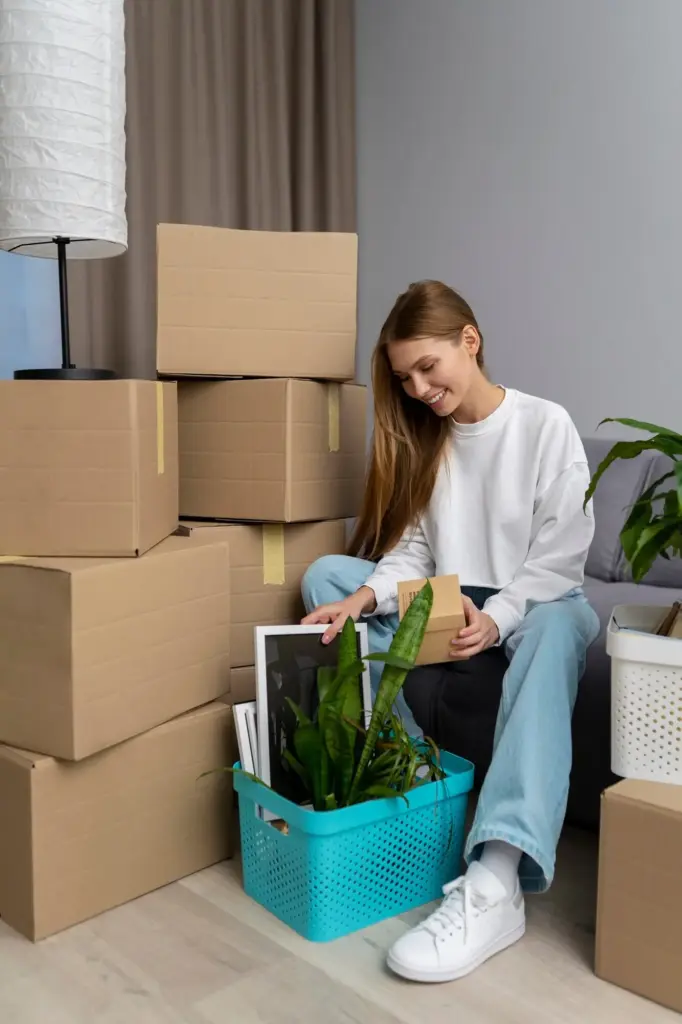
Set a central surface with scissors, reusable tape, labels, and bins for paper, cardboard, films, and fabric. Flatten boxes as you go and stack by size for return. Photograph packaging for supplier feedback. Offer extras to neighbors. Track what cycles back into use within a week.

Kitchen Setup That Minimizes Waste

Stock bulk staples on day one, decant into jars, and assign a refill list on the fridge. Choose dish brushes with replaceable heads, compostable sponges, and cloth towels. Plan meals to dodge takeout packaging. Share your favorite low-waste recipes, and we will feature community highlights in future guides.

Community Connections: Sharing, Swapping, and Local Support

Moving sustainably gets easier with friends. Tap neighborhood groups, libraries of things, native plant societies, and maker guilds for shared tools, wisdom, and even delivery coordination. Support local nurseries and studios; your dollars grow skills nearby. Introduce yourself, ask for advice, and offer something helpful back in return.

Measuring Impact: Track, Learn, Improve

A Moving Day Waste Audit

Use a simple tally sheet. Count cardboard returned, totes reused, padding circulated, and trash bags avoided. Weigh difficult items if possible. Photograph piles for accountability. Record costs saved. Post numbers with a lesson learned. Next time, refine packing density, and negotiate reusable options with vendors earlier in planning.

Landscape Health Indicators

Log first blooms, insect diversity, and bird visits using a journal or a citizen science app. Track irrigation minutes versus rainfall, and note soil moisture after storms. Compare before-and-after photos each season. Share wins and failures honestly, because real landscapes teach through surprises as much as through successes.

Furniture Performance Log

Note dents, scratches, finish wear, or hardware loosening, and how repairs went. Schedule maintenance days just like oil changes. Track air quality readings after new pieces arrive. Collect maker feedback. These observations protect investments, reduce replacements, and keep beautiful objects serving daily life with integrity and delight.

Stories From the Porch: Real-World Wins and Lessons

Pull up a chair and listen to quick stories from homes that tried these ideas. Learn from experiments, missteps, and joyful pivots. Then add your voice. Comment with photos, subscribe for monthly roundups, and pass along this guide to a friend starting fresh in a new place.
Three adjacent families staggered moves over two months, sharing a rented crate set, wardrobe boxes, and pads. Everyone labeled, cleaned, and returned on a shared schedule. Combined, they avoided dozens of tape rolls and fifteen trash bags. They posted the system template, and several blocks now repeat it.
They sheet-mulched a patchy lawn, sowed a native mix, and added regionally appropriate shrubs. The first spring felt sparse; by month eighteen, goldfinches and monarchs arrived. Water use fell dramatically. Neighbors asked questions. Now, a sidewalk sign shares plant names, and kids count bees during summer walks.
Pufivananuxazitufimo
Privacy Overview

This website uses cookies so that we can provide you with the best user experience possible. Cookie information is stored in your browser and performs functions such as recognising you when you return to our website and helping our team to understand which sections of the website you find most interesting and useful.