
From Boxes to Belonging in 90 Days

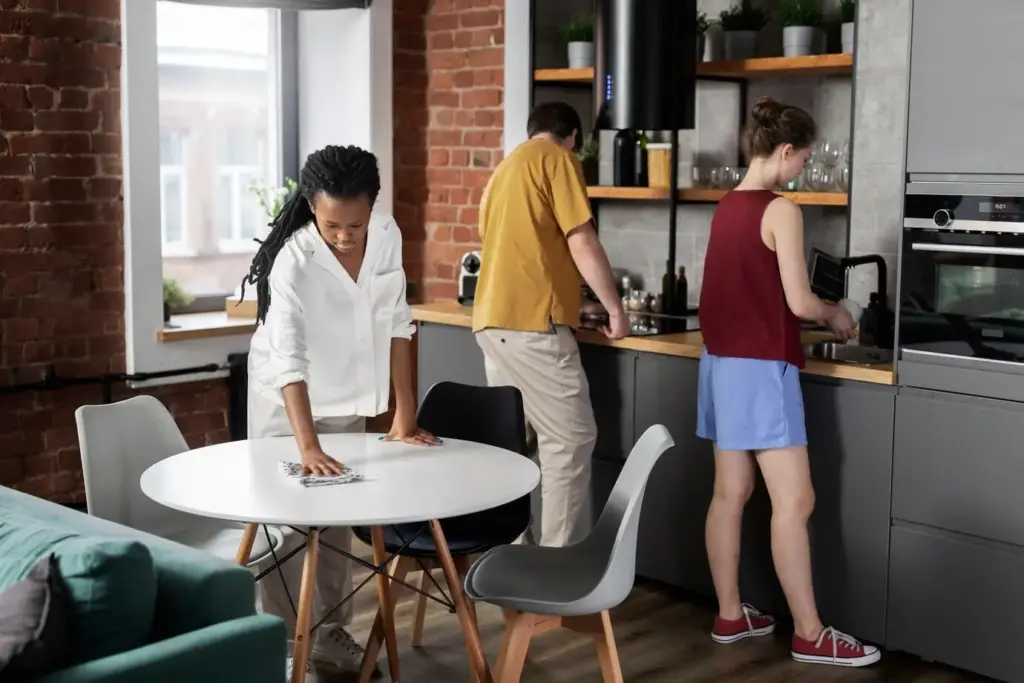
Settle faster and smarter with a practical, uplifting guide to the first 90 days after a move: priority projects for yard makeovers and custom built-ins. We’ll focus on restoring safety, shaping curb appeal, and crafting storage that actually fits your routines, so every week builds momentum. Picture the porch swept, a patio ready for laughter, and closets that finally cooperate. By acting steadily and decisively, your new place stops feeling temporary and starts feeling unmistakably yours.

Week 1: Safety, Systems, and Quick Wins

The first days set the tone, so protect your time and sanity by securing essentials. Verify locks, lights, and exterior paths, then confirm irrigation, electrical, and drainage behave as expected. Small outdoor refreshes and simple indoor organizers reduce daily friction immediately. These quick wins build confidence, calm nerves, and reveal how your household truly moves, stores, and relaxes, making every decision that follows clearer, cheaper, and easier to execute without second-guessing or rework.

Hazard Sweep and Essential Repairs

Walk the property at dusk and dawn, noting tripping hazards, loose pavers, shaky railings, broken gates, and exposed roots. Inside, test smoke and carbon monoxide alarms, tighten wobbly shelves, and cap protruding screws. Address anything that threatens kids, pets, or tired feet returning from work. Quick patches now prevent medical bills later and help you focus on creative projects without fear, establishing a safe baseline everyone can trust while daily routines take shape.

Water, Power, and Irrigation Check

Locate shutoff valves, label the breaker panel, and map outdoor outlets. Run every irrigation zone for a few minutes, documenting weak spray, pooling, or clogged heads. Observe foundation edges during a hose test to spot drainage backflow. Fixing misdirected sprinklers protects siding and saves water, while consistent pressure keeps new plantings alive. Good utility notes near the back door spare you midnight guesswork when storms roll in or hoses burst unexpectedly.

Unpack Zones and Temporary Organizers

Before building anything permanent, stage collapsible racks, clear bins, and over-the-door hooks where clutter piles up naturally. Track what ends up near entries, the kitchen landing strip, and the laundry pass-through. A week of observation often replaces assumptions shaped by your last place. These lightweight solutions reveal traffic patterns, prevent impulse purchases, and guide future built-in dimensions. When you do commit to cabinetry, you’ll know exactly how many shoes, backpacks, and dog leashes need homes.

Weeks 2–3: Yard Assessment and Clean-Up

A tidy yard magnifies relief after a move, even before big design gestures. Start by removing debris, invasive weeds, and dead growth to expose lines, sightlines, and healthy structures worth keeping. Document sun paths, wind corridors, and puddle-prone corners during a full week. Trim cautiously until you know what blooms later. With a clearer canvas, you can prioritize where sweat pays off fastest, whether protecting a mature tree, reclaiming a soil bed, or framing a welcoming entry view.

Weeks 4–5: Front Entry and Curb Appeal Momentum

First impressions pay dividends every time you come home. Focus on the front path, house numbers, mailbox condition, and lighting layers. Fresh mulch, crisp edging, and a restrained color palette amplify architecture you already own. Choose hardy, region-appropriate plants with staggered bloom times so the entrance stays lively through seasons. A story-worthy entry sets emotional tone, signaling order and care to visitors—and to yourself—before you’ve even fully unpacked the last bedroom or office box inside.

Path Refresh and Edging Discipline

Pressure-wash stains, reset sunken pavers, and define edges with steel or stone so lines read clean from the street. Add a subtle curve only if it clarifies flow to the door. Keep bed shapes purposeful, not wiggly. A clear, dry, even path feels welcoming at night and safe for stroller wheels and delivery feet. This practical polish routinely turns heads, as one neighbor admitted after noticing the renewed walkway long before repainting or new planters appeared.

House Numbers, Mailbox, and Hardware

Upgrade legible numbers with high contrast against siding and light placement that avoids glare. Match the tone of mailbox, door handle, and knockers for cohesion. These modest pieces frame the handshake moment at your door, shaping expectations. Contractors, rideshares, and emergency services will also thank you for clarity. When these small details align, even a basic facade reads curated, raising spirits every time keys turn and packages arrive without a scavenger hunt for the correct address.
Weeks 6–7: Backyard Comfort and Usability

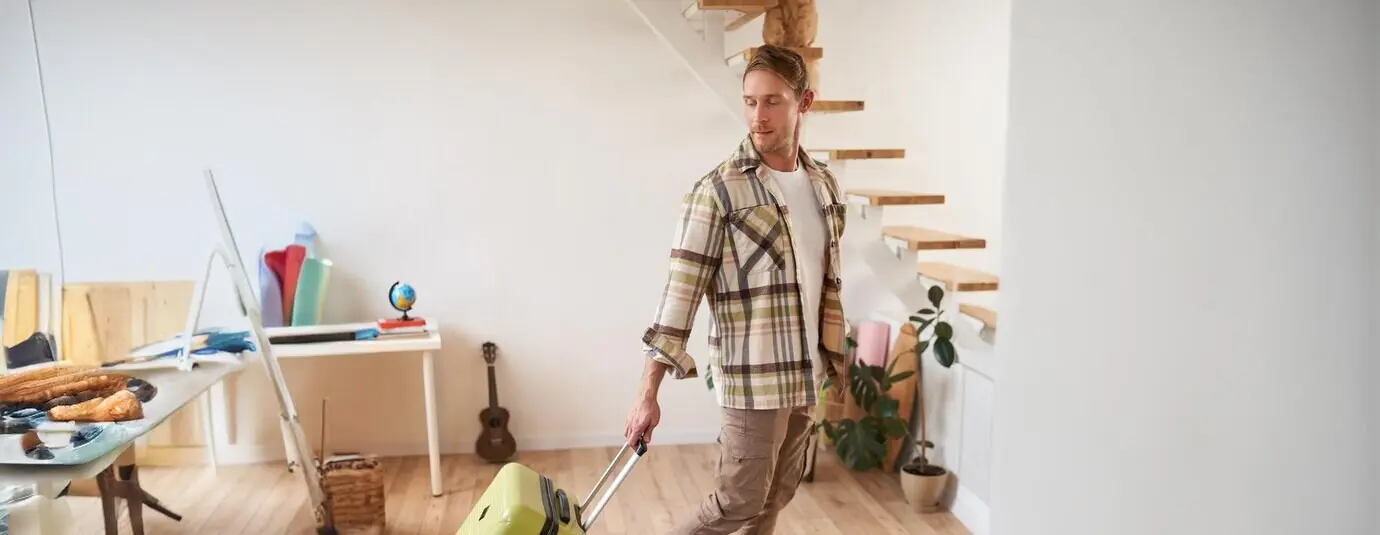
Create a destination worth stepping into after work. Establish zones for dining, play, pets, and quiet reading, then add portable shade and resilient surfaces. Consider traffic between kitchen and grill, hose bibs, and storage for cushions. When a backyard supports real routines, it gets used daily, not only on holidays. Start small with a level platform and reliable seating, then layer textiles, planters, and lights. Momentum grows with each meal outdoors and every relaxed conversation under strings of warm bulbs.

Weekend Patio Upgrade That Lasts

If you inherit a crumbling pad, repair cracks and add a modular deck tile system to even the feel quickly. Choose materials rated for freeze-thaw cycles in your zone. A single outdoor rug anchors furniture, while felt pads or risers protect surfaces. Keep grill wind patterns in mind to avoid smoke trapped against siding. You’ll elevate comfort in two days, creating a platform ready for gatherings without committing to a full hardscape redesign this early in the move.

Zoning for Kids, Pets, and Guests

Mark a play corridor with flexible turf squares, give pets a pea-gravel relief area away from planting beds, and reserve a quiet corner for reading or calls. Short edging fences and planters subtly direct movement without feeling bossy. A dedicated storage bin for toys prevents scatter. Your future self will thank you when weekend cleanups take minutes instead of hours, and you retain adults-only space where plates rest, drinks settle, and conversations flow without tripping over soccer balls.

Weeks 8–9: Plan Custom Built-Ins with Precision

Now that your daily patterns are visible, translate them into cabinetry that fits reality. Measure clearances with doors open, note vent locations, and record plug heights. Sketch traffic during morning rush and laundry cycles. Built-ins should breathe with the home, not box it in. Test mockups with painter’s tape before ordering materials. Good planning prevents beautiful mistakes—like drawers that hit baseboards or shelves too shallow for cookbooks—saving time, money, and the sting of preventable frustration later.

Weeks 10–11: Build, Install, and Dial In
It’s time to cut, assemble, and anchor. Work from the longest runs inward, scribing to irregular walls with patience. Pre-paint or pre-finish panels when possible to reduce mess in lived-in rooms. Dry-fit, then secure with appropriate studs and fasteners. Expect adjustments as reality meets plan; they’re normal. Keep pathways clear and family informed about noise and dust. As pieces click into place, the home’s personality sharpens, and the daily ease you’ve been building toward becomes tangible and repeatable.

Week 12: Finishing Touches and Sustainable Routines

With the heavy lifting done, protect your investment and add heart. Seal wood, caulk tiny gaps, schedule seasonal yard care, and add plant markers to prevent forgetful pruning. Layer textiles, art, and a few personal oddities that make the space undeniably yours. Build recurring checklists that take minutes, not hours, so systems hold under real life. Share photos, ask friends for plant cuttings, and invite neighbors over. A lived-in home shines brightest when routines feel effortless and welcoming.
Pufivananuxazitufimo
Privacy Overview

This website uses cookies so that we can provide you with the best user experience possible. Cookie information is stored in your browser and performs functions such as recognising you when you return to our website and helping our team to understand which sections of the website you find most interesting and useful.